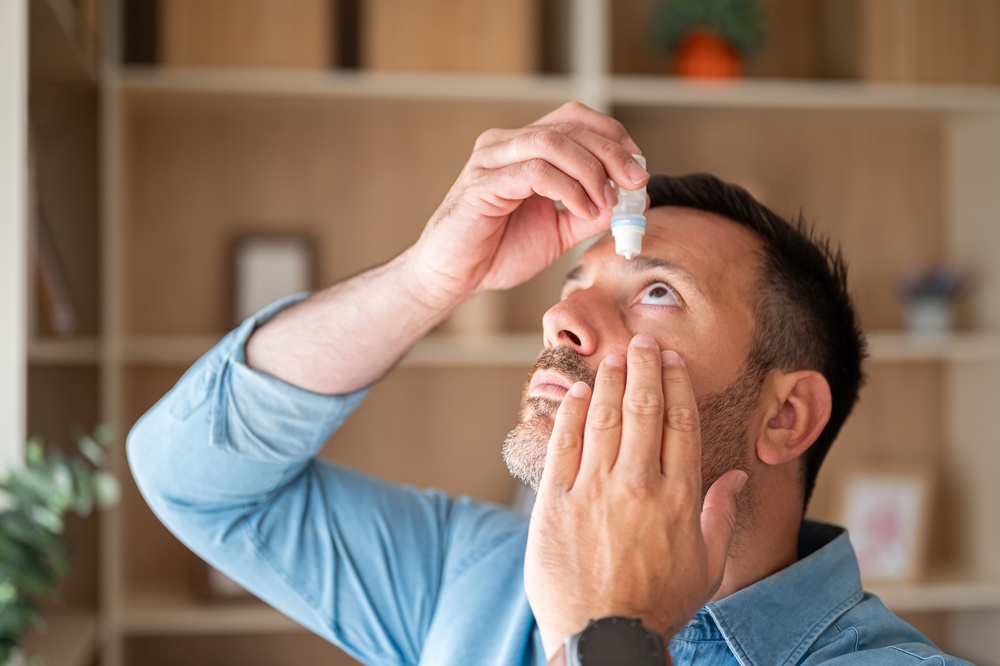
Dry eye is a common condition that happens when your eyes do not produce enough tears or when your tears do not work properly. Healthy tears are important for clear vision, comfort, and protecting the surface of the eye. When the tear film becomes unstable, it can lead to irritation, blurry vision, and ongoing discomfort. We help patients understand the cause of their dry eye symptoms and recommend treatment options based on their needs.
Dry eye symptoms can range from mild irritation to daily discomfort. Some people notice symptoms only after long periods of screen time, while others feel them throughout the day. Common signs include burning, stinging, redness, watery eyes, light sensitivity, blurry vision, or a gritty feeling that makes it seem like something is in the eye.
Dry eye can develop for many reasons. Aging, hormonal changes, certain medications, allergies, contact lens wear, and medical conditions can all affect tear quality. Environmental factors such as wind, dry air, smoke, and heavy screen use can also make symptoms worse.
One common cause of dry eye is meibomian gland dysfunction. These glands help produce the oil layer of your tears, which keeps them from evaporating too quickly. When the glands become blocked or do not work well, tears can evaporate faster and leave the eyes feeling dry, irritated, or tired.
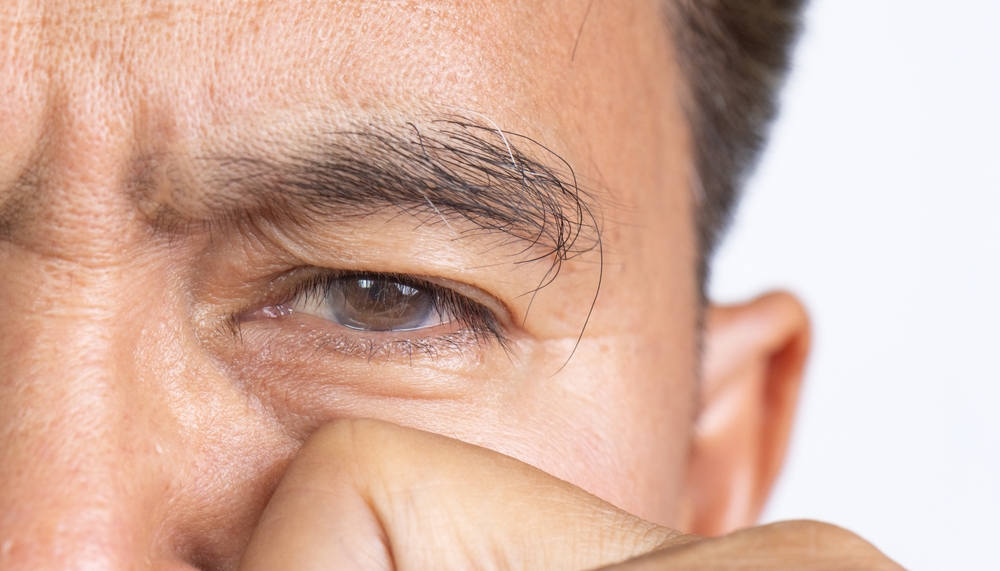
Occasional dryness may improve with simple changes, but ongoing dry eye symptoms should not be ignored. Without proper care, chronic dry eye can affect daily comfort, contact lens wear, and the health of the eye’s surface.
You should schedule an eye exam if you notice:
Burning, stinging, or gritty eyes that do not improve
Blurry vision that comes and goes
Redness or irritation that keeps returning
Discomfort while wearing contact lenses
Watery eyes, especially with dryness or irritation
Symptoms that worsen during screen use or reading
Dry eye treatment depends on what is causing your symptoms. For some patients, artificial tears, lifestyle changes, and better eyelid hygiene may help. Others may need prescription eye drops, treatment for inflammation, or therapies that support healthy tear production and tear stability.
Our eye doctor may also recommend changes to your screen habits, contact lens routine, or home environment. If blocked oil glands are part of the problem, treatment may focus on improving gland function and reducing tear evaporation. A personalized dry eye treatment plan can help improve comfort, protect the eye’s surface, and support clearer vision throughout the day.
A comprehensive eye exam can help identify whether your symptoms are caused by dry eye, allergies, contact lenses, eye strain, or another concern. At Vision Source, we take the time to evaluate your symptoms, check the health of your eyes, and recommend treatment options that fit your daily routine.
Schedule your dry eye evaluation to learn more about personalized treatment options designed for lasting relief.
© All rights Reserved
Accessibility Statement - Privacy Policy - Sitemap
Managed and Designed by